Plant Based Diet Food List PDF: A Comprehensive Guide
Discover a 94-page resource detailing starch-focused plant-based eating, including shopping lists, protein sources, and recipes for diabetes and cholesterol management.
Explore guides offering 20+ protein options and 40+ vegan recipes, emphasizing vegetables, legumes, grains, fruits, and nuts/seeds for optimal health.
Embarking on a plant-based journey is increasingly popular, driven by health, ethical, and environmental considerations. A comprehensive plant based diet food list PDF serves as an invaluable tool for navigating this lifestyle shift. These diets prioritize foods derived from plants, minimizing or eliminating animal products.
However, understanding what constitutes a truly effective plant-based approach is crucial. Many resources, like detailed PDF guides, emphasize a foundation of starches – potatoes, sweet potatoes, and whole grains – complemented by non-starchy vegetables, fruits, and legumes.
These guides aren’t simply restrictive lists; they’re blueprints for nourishing meals. They often include information on protein sources, addressing a common concern, and highlight the benefits for specific health conditions like diabetes and managing cholesterol levels. A well-structured PDF will empower you to make informed choices and build a sustainable, plant-powered lifestyle.
What Defines a Plant-Based Diet?
A plant-based diet isn’t necessarily synonymous with veganism or vegetarianism, though it shares similarities. While those diets focus on avoiding animal products, plant-based eating emphasizes prioritizing whole, minimally processed plant foods. A helpful plant based diet food list PDF clarifies these nuances.
Crucially, many effective plant-based approaches, as detailed in these PDFs, aren’t about restriction, but abundance. They center around starches like potatoes, sweet potatoes, and grains, providing sustained energy. These are then supplemented with colorful non-starchy vegetables, fruits for natural sweetness, and legumes for protein and fiber.
These resources demonstrate that a plant-based lifestyle can be surprisingly diverse and satisfying, debunking the myth of limited food choices. The focus shifts to maximizing nutrient intake from plant sources, supporting overall health and well-being, as outlined in comprehensive PDF guides.
Core Food Groups in a Plant-Based Diet
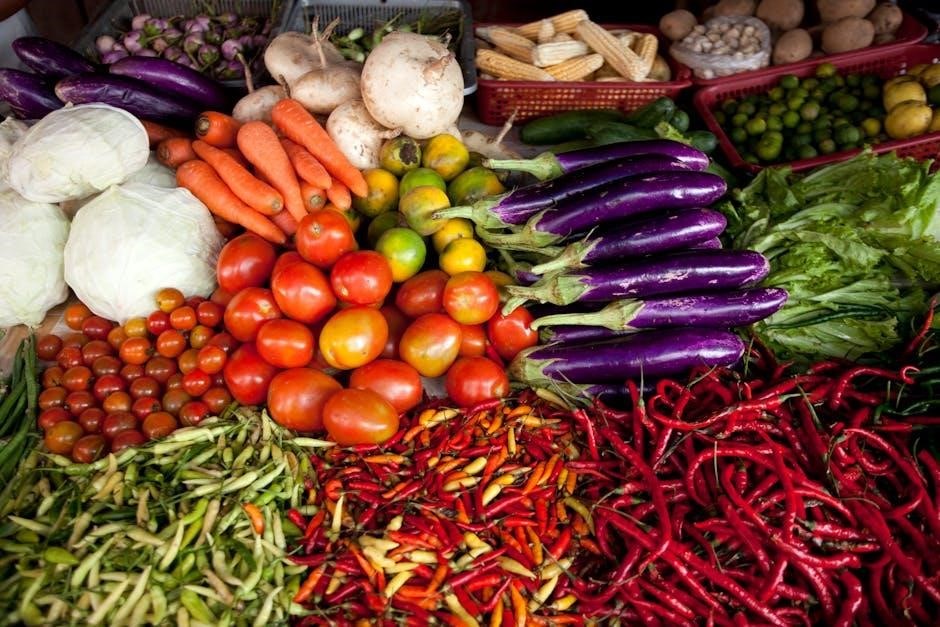
PDF shopping lists categorize essential plant foods: starchy vegetables, non-starchy options, fruits, and legumes, forming the foundation of a healthy, balanced diet.
Starchy Vegetables: The Foundation
Central to a well-structured plant-based diet, as highlighted in comprehensive PDF guides, are starchy vegetables. These aren’t merely side dishes; they form the energetic core of the eating plan, providing sustained fuel and essential nutrients.
PDF resources emphasize potatoes and sweet potatoes as staples, offering versatility in preparation and a wealth of vitamins and minerals. Whole grains, including rice, quinoa, and oats, also fall into this foundational category, complementing the root vegetables with additional fiber and complex carbohydrates.
These foods are frequently featured in shopping lists within plant-based diet PDFs, often prioritized due to their role in satiety and overall caloric intake. Understanding their importance is key to successfully implementing this dietary approach.
Potatoes and Sweet Potatoes
Plant-based diet PDF guides consistently spotlight potatoes and sweet potatoes as foundational elements, moving beyond common misconceptions about their nutritional value. These aren’t simply “empty carbs,” but rather nutrient-dense options providing sustained energy and vital vitamins.
Shopping lists within these PDFs frequently prioritize various potato types – Russet, Yukon Gold, red potatoes – alongside sweet potatoes in different hues. Preparation methods are also often detailed, encouraging baking, boiling, or steaming over frying to maximize health benefits.
The emphasis on these vegetables stems from their ability to provide fullness and support an active lifestyle, making them a cornerstone of a starch-focused plant-based approach. They are readily available and affordable, further enhancing their practicality.
Whole Grains: Rice, Quinoa, Oats
Plant-based diet PDF resources consistently feature whole grains – rice, quinoa, and oats – as crucial components, providing complex carbohydrates for sustained energy. These aren’t just fillers; they offer fiber, vitamins, and minerals essential for overall health.
Comprehensive shopping lists within these PDFs typically include brown rice, wild rice, quinoa (red, white, black varieties), and various oat forms like rolled oats and steel-cut oats. The guides often detail appropriate portion sizes and cooking methods.
These grains complement potatoes and sweet potatoes, forming the carbohydrate base of many plant-based meal plans. They are versatile, affordable, and contribute to a feeling of satiety, supporting weight management and consistent energy levels.
Non-Starchy Vegetables: Nutrient Powerhouses
Plant-based diet PDFs emphasize non-starchy vegetables as cornerstones of a healthy eating pattern, packed with vitamins, minerals, and fiber while remaining low in calories. These are highlighted for their contribution to overall well-being and disease prevention.
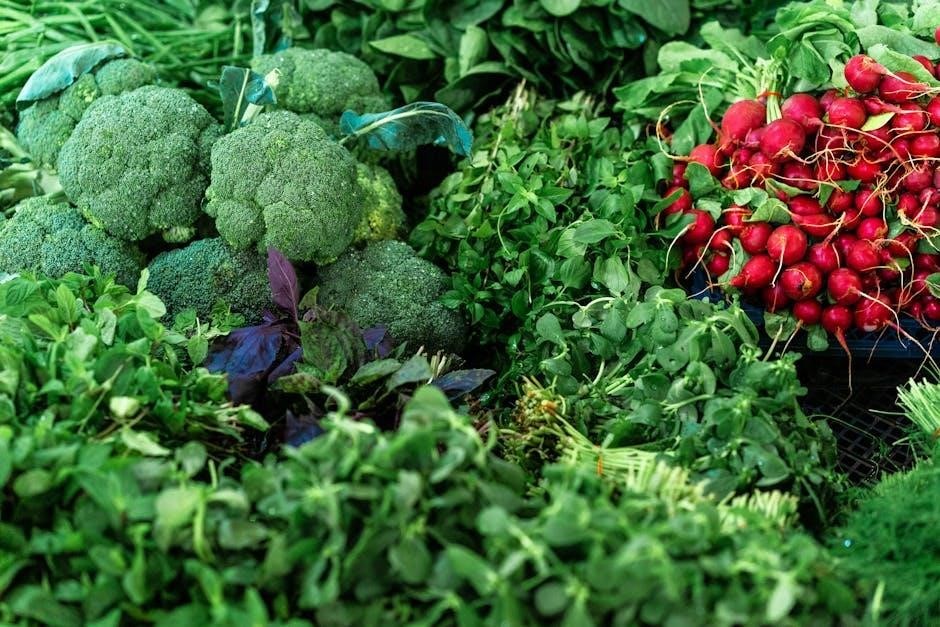
Shopping lists within these resources extensively feature a wide variety, including broccoli, cauliflower, cabbage, spinach, kale, lettuce, and numerous others. They often suggest incorporating a rainbow of colors to maximize nutrient intake.
PDF guides frequently detail how these vegetables support blood sugar control, cholesterol management, and provide essential antioxidants. They are recommended as abundant additions to every meal, promoting fullness and supporting a healthy gut microbiome.
Leafy Greens: Spinach, Kale, Lettuce
Plant-based diet PDF shopping lists consistently prioritize leafy greens like spinach, kale, and various lettuce types due to their exceptional nutritional profiles. These are often presented as foundational elements for daily consumption.
PDF resources detail the abundance of vitamins (A, C, K), minerals (iron, calcium), and antioxidants found within these greens, emphasizing their role in supporting immune function and reducing inflammation.
Guides frequently suggest incorporating leafy greens into smoothies, salads, or lightly steamed as side dishes. They highlight their versatility and ease of integration into diverse meal plans, promoting a nutrient-dense approach to eating.
Many lists also suggest different varieties, encouraging exploration beyond basic options to maximize nutrient diversity and palatability within a plant-based framework.
Cruciferous Vegetables: Broccoli, Cauliflower, Cabbage
Plant-based diet PDF resources consistently feature cruciferous vegetables – broccoli, cauliflower, and cabbage – as key components of a healthy eating plan. These are highlighted for their unique phytonutrient content, particularly glucosinolates.
PDF shopping lists often emphasize the potential health benefits associated with these compounds, including detoxification support and cancer prevention. Resources detail how these vegetables contribute to overall well-being.
Guides suggest various preparation methods, from steaming and roasting to incorporating them into stir-fries and soups, to maximize nutrient retention and enjoyment. They promote versatility in the kitchen.
Many lists also include related vegetables like Brussels sprouts and kale, expanding the range of options within this nutrient-rich family, supporting a diverse plant-based diet.
Fruits: Natural Sweetness and Vitamins
Plant-based diet PDF guides universally include fruits, recognizing them as vital sources of natural sweetness, essential vitamins, and antioxidants. These resources emphasize fruits as a healthy alternative to processed sugars.
PDF shopping lists commonly categorize fruits, often separating berries from citrus fruits, to aid in meal planning and ensure a diverse intake of nutrients. They highlight the importance of variety.
Detailed guides often explain how the fiber content in fruits aids digestion and promotes satiety, contributing to weight management. They also mention the role of vitamins in supporting immune function.
Resources suggest incorporating fruits into breakfasts, snacks, and desserts, offering practical ideas for enjoying their natural sweetness within a balanced plant-based lifestyle.
Berries: Blueberries, Strawberries, Raspberries
Plant-based diet PDF resources consistently spotlight berries – blueberries, strawberries, and raspberries – as nutritional powerhouses. These guides emphasize their exceptionally high antioxidant content, crucial for combating oxidative stress and inflammation.
PDF shopping lists often prioritize berries due to their versatility; they’re perfect for smoothies, oatmeal toppings, or enjoyed as a standalone snack. Guides detail their low glycemic index compared to other fruits.
Detailed lists may specify organic options when available, acknowledging potential pesticide concerns. They also highlight the fiber content, aiding digestion and promoting fullness.
Resources often include recipes featuring berries, demonstrating their integration into plant-based breakfasts, desserts, and even savory dishes, enhancing both flavor and nutritional value.
Citrus Fruits: Oranges, Lemons, Grapefruits
Plant-based diet PDF guides frequently feature citrus fruits – oranges, lemons, and grapefruits – as essential components of a healthy eating plan. These resources emphasize their significant Vitamin C content, bolstering immune function and acting as a potent antioxidant.
PDF shopping lists often include these fruits for their versatility; they can be juiced, segmented for snacks, or used to add zest to various dishes. Guides highlight their role in aiding iron absorption when consumed with plant-based iron sources.
Detailed resources may suggest choosing organic citrus to minimize pesticide exposure. They also note the fiber content, contributing to digestive health and satiety.
Many PDFs include recipes utilizing citrus, showcasing their use in dressings, marinades, and beverages, enhancing flavor profiles while providing nutritional benefits.
Legumes: Protein and Fiber Rich
Plant-based diet PDF resources consistently highlight legumes – beans, lentils – as cornerstones for protein and fiber intake. These guides emphasize their crucial role in achieving adequate nutrition without animal products, particularly for those transitioning to a vegan lifestyle.
PDF shopping lists invariably include a variety of legumes: kidney, black, pinto beans, red, green, and brown lentils. Resources detail their affordability and versatility in meal preparation, from soups and stews to salads and dips.
Comprehensive PDFs often provide information on soaking and cooking techniques to maximize digestibility and nutrient absorption. They also address concerns about potential digestive discomfort and offer solutions.
Many guides showcase legume-based recipes, demonstrating their adaptability to diverse cuisines and flavor preferences, solidifying their importance in a plant-based diet.
Beans: Kidney, Black, Pinto
Plant-based diet PDF shopping lists frequently feature kidney, black, and pinto beans as essential staples. These legumes are lauded for their high protein content, making them vital for those adopting a vegan or vegetarian lifestyle, as detailed in numerous downloadable guides.
PDF resources often include preparation tips, such as soaking dried beans overnight to reduce cooking time and improve digestibility. They also highlight the versatility of these beans in various dishes – chili, tacos, salads, and more.
Information within these PDFs emphasizes the fiber content of kidney, black, and pinto beans, contributing to digestive health and satiety. They are presented as affordable and accessible protein sources.
Many guides provide nutritional breakdowns for each bean variety, aiding informed meal planning and ensuring adequate nutrient intake on a plant-based diet.
Lentils: Red, Green, Brown
Plant-based diet PDF resources consistently highlight lentils – red, green, and brown – as protein powerhouses. These legumes are frequently included in shopping lists due to their quick cooking time and nutritional benefits, making them ideal for busy individuals.
PDF guides often detail the subtle differences between lentil varieties; red lentils cook fastest and become creamy, while green and brown retain their shape better. Recipes utilizing each type are commonly included.
Information within these documents emphasizes lentils’ high fiber content, aiding digestion and promoting fullness. They are presented as a cost-effective protein source, crucial for budget-conscious plant-based eaters.
Many downloadable PDFs provide serving suggestions and nutritional information, helping users incorporate lentils into balanced meals and meet their dietary needs effectively.
Plant-Based Protein Sources
PDF guides emphasize tofu, tempeh, edamame, and diverse nuts/seeds as key protein sources within a plant-based diet, supporting optimal health and wellness.
High-Protein Vegan Foods
Discover a wealth of plant-based protein options detailed in comprehensive PDF resources. Tofu and tempeh consistently rank high, offering complete proteins and versatility in cooking – essential for building and repairing tissues.
Edamame, young soybeans, provides a substantial protein boost alongside fiber and vitamins, making it a fantastic snack or addition to meals. These resources highlight how incorporating these foods can easily meet daily protein requirements on a plant-based diet.
PDF shopping lists often prioritize these items, alongside lentils and beans, ensuring a protein-rich foundation for a healthy lifestyle. Explore recipes showcasing creative ways to utilize these protein powerhouses, maximizing both flavor and nutritional value.
Tofu and Tempeh
PDF guides dedicated to plant-based diets consistently feature tofu and tempeh as cornerstone protein sources. Tofu, made from condensed soy milk, is incredibly versatile, absorbing flavors beautifully in stir-fries, scrambles, and even desserts. It’s a complete protein, containing all nine essential amino acids.
Tempeh, a fermented soybean product, offers a nuttier flavor and firmer texture. The fermentation process enhances digestibility and provides probiotic benefits. Shopping lists often include both varieties, recognizing their distinct culinary applications.
Resources detail how to prepare both effectively – from pressing tofu to marinating tempeh – maximizing their protein content and palatability. Explore recipes within these PDFs for innovative and delicious ways to incorporate these vegan staples into your meals.
Edamame
Plant-based diet PDF resources frequently highlight edamame – young soybeans – as a convenient and potent protein source. Often found in frozen form, edamame is incredibly easy to add to meals, requiring minimal preparation. It’s a complete protein, boasting all essential amino acids, crucial for those transitioning to plant-based eating.
Shopping lists geared towards this lifestyle invariably include edamame, both in pod and shelled varieties. PDF guides detail its nutritional profile, emphasizing its fiber content, which aids digestion and promotes satiety.
Explore recipes within these documents showcasing edamame in salads, stir-fries, or simply steamed as a snack. It’s a versatile ingredient, contributing both protein and a satisfying texture to various dishes, making it a staple for many.
Nuts and Seeds: Healthy Fats and Protein
Plant-based diet PDF guides consistently emphasize the importance of incorporating nuts and seeds for their beneficial fats and protein content. These are frequently listed as essential components of a well-rounded plant-based shopping list. They provide sustained energy and contribute to overall health.
PDF resources detail the nutritional breakdown of various nuts and seeds, highlighting their omega-3 fatty acids and micronutrient profiles. They are often presented as convenient snack options or additions to meals.
Explore how these PDFs suggest utilizing nuts and seeds – in trail mixes, sprinkled on salads, or blended into smoothies. They are a versatile source of nutrients, supporting a balanced and satisfying plant-based lifestyle.
Chia Seeds and Flaxseeds
Plant-based diet PDF resources frequently spotlight chia seeds and flaxseeds as nutritional powerhouses; These tiny seeds are consistently included on comprehensive shopping lists due to their exceptional health benefits and versatility.
PDF guides emphasize their high omega-3 fatty acid content, crucial for heart health and brain function, making them a staple for those following a plant-based lifestyle. They are also excellent sources of fiber, aiding digestion and promoting satiety.
Discover how PDFs recommend incorporating these seeds – added to smoothies, oatmeal, or used as an egg replacement in baking. Their ability to absorb liquid creates a gel-like consistency, enhancing texture in various recipes.
Almonds and Walnuts
Plant-based diet PDF shopping lists consistently feature almonds and walnuts as essential components, highlighting their role in providing healthy fats and plant-based protein. These nuts are frequently emphasized for their contribution to overall well-being.
PDF resources detail how these nuts offer a satisfying crunch and a wealth of nutrients, including vitamin E and magnesium. They are often recommended as a snack to curb cravings and maintain energy levels throughout the day.
Discover how PDF guides suggest incorporating almonds and walnuts into meals – sprinkled on salads, blended into smoothies, or enjoyed as a standalone snack. Their versatility makes them a convenient addition to any plant-based diet.
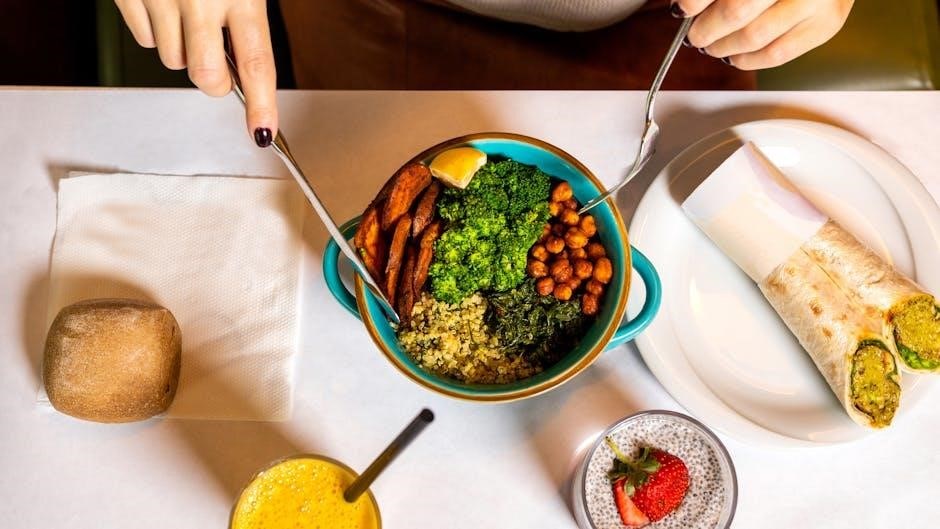
Plant-Based Diet for Specific Health Concerns
PDF resources demonstrate plant-based diets aid diabetes prevention and blood sugar control, alongside cholesterol management, offering distinct dietary approaches for improved health outcomes.
Plant-Based Diet and Diabetes
Facing a global rise in Type 2 diabetes, many are turning to dietary interventions for prevention and management. Plant-based diets, detailed in comprehensive PDF guides, offer a promising approach to blood sugar control. These resources highlight how a focus on starches – potatoes, sweet potatoes, and whole grains – alongside non-starchy vegetables, fruits, and legumes, can positively impact insulin sensitivity and glycemic response.
PDF shopping lists within these guides prioritize foods that support stable blood sugar levels, minimizing processed foods and refined sugars. They emphasize the importance of fiber-rich foods like beans and lentils, which slow down glucose absorption. Furthermore, these documents often include recipes specifically designed for individuals managing diabetes, providing practical meal planning assistance and demonstrating how to incorporate these principles into daily life.

The information presented contrasts with low-carb approaches, explaining that plant-based diets achieve benefits through different mechanisms, focusing on nutrient density and fiber content rather than strict carbohydrate restriction.
Plant-Based Diet and Cholesterol
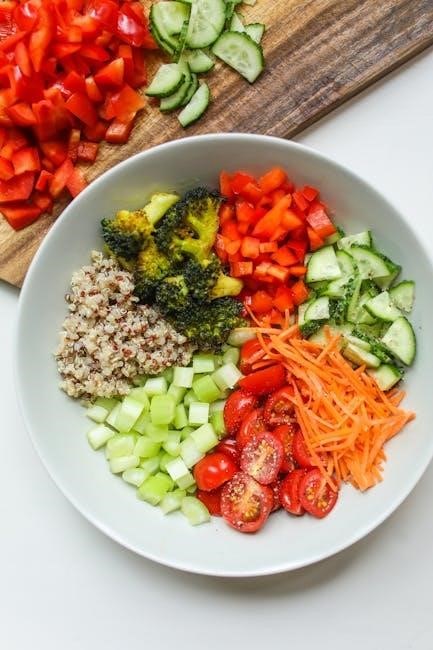
Comprehensive plant-based diet PDF resources frequently address the link between dietary choices and cholesterol levels. These guides emphasize that a diet centered around plants – including abundant fruits, vegetables, legumes, and whole grains – naturally tends to be lower in saturated fat and cholesterol, contributing to improved cardiovascular health.
The shopping lists included in these PDFs prioritize foods that actively help lower cholesterol. They highlight the inclusion of soluble fiber-rich foods like oats, beans, and apples, which bind to cholesterol in the digestive system and promote its excretion. Furthermore, the guides often detail the benefits of plant sterols and stanols, naturally present in some plant foods, which further inhibit cholesterol absorption.
These resources often provide meal plans and recipes specifically designed to be low in cholesterol and saturated fat, offering practical guidance for individuals seeking to manage their cholesterol levels through diet.
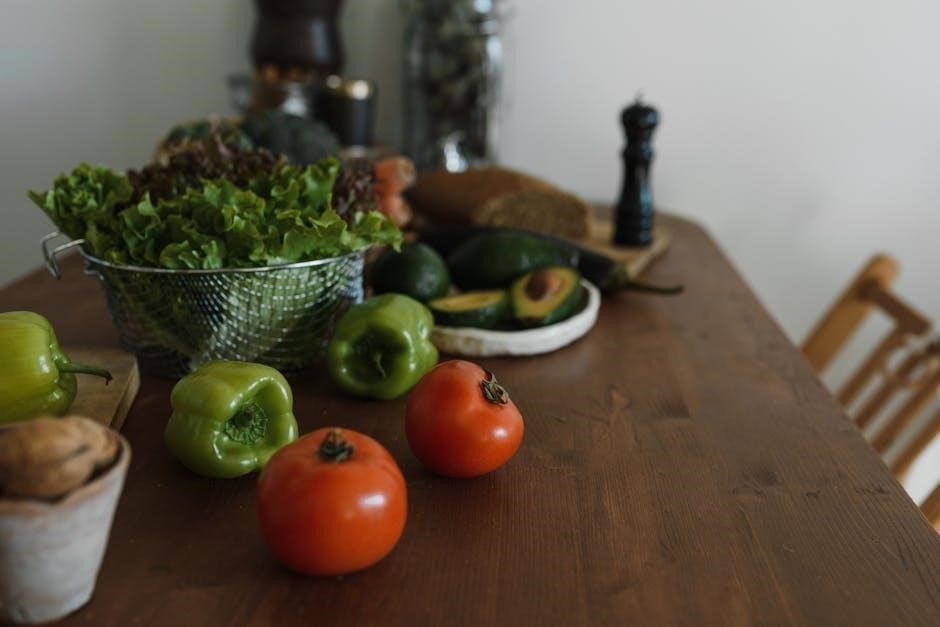
Creating Your Plant-Based Shopping List (PDF Focus)
PDF shopping lists prioritize starches, non-starchy vegetables, fruits, and legumes, offering a 94-page guide for diabetic, low-cholesterol, and health-focused plant-based eating.
Essential Elements of a Plant-Based PDF Shopping List
A comprehensive plant-based PDF shopping list should center around whole, unprocessed foods. Prioritize starchy staples like potatoes, sweet potatoes, and various whole grains – rice, quinoa, and oats are excellent choices.
Don’t forget a generous selection of non-starchy vegetables, including leafy greens (spinach, kale, lettuce) and cruciferous varieties (broccoli, cauliflower, cabbage). Fruits, offering natural sweetness and vital vitamins, are also crucial; berries and citrus fruits are particularly beneficial.
Protein sources like beans (kidney, black, pinto) and lentils (red, green, brown) should feature prominently. Consider including tofu, tempeh, edamame, chia seeds, flaxseeds, almonds, and walnuts for added protein and healthy fats.
A well-structured PDF will categorize items for efficient shopping, potentially including quantities based on meal planning.
Finding and Utilizing Plant-Based Diet PDF Resources

Numerous online platforms offer plant-based diet PDF resources, often encompassing shopping lists, meal plans, and recipe collections. Searching for “plant-based diet PDF” yields options ranging from comprehensive 94-page guides to focused lists detailing protein content in various plant foods.
When selecting a PDF, assess its focus – some cater to specific needs like diabetes or cholesterol management. Look for resources that emphasize whole foods, including starches, non-starchy vegetables, fruits, and legumes.
Utilize these PDFs for streamlined grocery shopping, meal planning, and recipe inspiration. Print them for easy access or view them digitally on your preferred device.
Remember to cross-reference information and adapt resources to your individual dietary requirements and preferences for optimal results.
Be First to Comment