
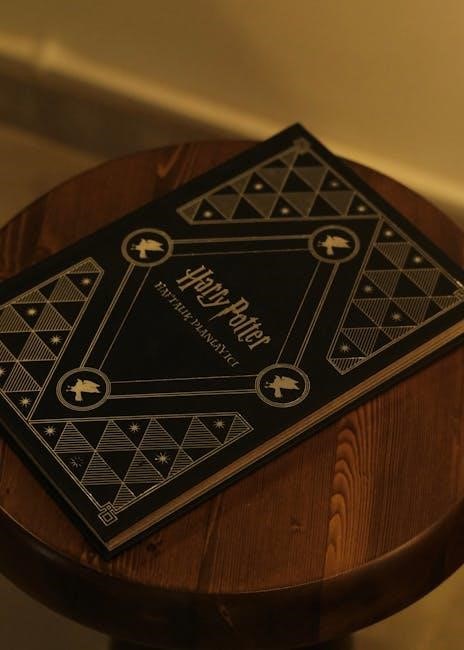
‘Harry Potter: A Pop-Up Guide to Hogwarts’ is a deluxe collectible, showcasing intricate three-dimensional renderings of iconic locations.
Created by Matthew Reinhart, this book offers an enchanting experience for fans, blending artistry and engineering.
Overview of the Book
‘Harry Potter: A Pop-Up Guide to Hogwarts’, released in 2018 and continuing to captivate collectors as of April 13, 2026, is a stunningly crafted interactive experience. This isn’t merely a book; it’s a meticulously engineered journey through the beloved wizarding school. The book focuses on bringing the magic of Hogwarts to life through incredibly detailed pop-up constructions of key locations.
Unlike traditional narrative books, this publication prioritizes visual spectacle and tactile engagement. Each spread unfolds to reveal breathtaking pop-up scenes, offering a unique perspective on familiar settings. It’s a deluxe collectible, designed to appeal to both dedicated fans and those fascinated by the art of paper engineering. The book’s success is evident in its consistent popularity and high ratings, with an impressive 4.7 out of 5 stars based on 882 reviews as of November 27, 2024.
It’s a testament to the enduring appeal of the Harry Potter universe and the skill of its creator, Matthew Reinhart.
The Creator: Matthew Reinhart
Matthew Reinhart is a New York Times bestselling paper engineer renowned for his innovative and complex pop-up designs. He’s a master of his craft, transforming static pages into dynamic, three-dimensional experiences. Reinhart isn’t simply building pop-ups; he’s constructing miniature worlds, and ‘Harry Potter: A Pop-Up Guide to Hogwarts’ exemplifies his exceptional talent.
His work extends beyond the wizarding world, encompassing a diverse range of projects that demonstrate his versatility and technical skill. However, his affinity for beloved franchises is clear, as evidenced by his creation of other pop-up masterpieces, including ‘Harry Potter: A Pop-Up Guide to the Creatures of the Wizarding World,’ released in November 2025.
Reinhart’s dedication to detail and his ability to capture the essence of a story through paper engineering have earned him critical acclaim and a devoted following. He elevates the pop-up book from a children’s novelty to a sophisticated art form.
Target Audience and Collectibility
‘Harry Potter: A Pop-Up Guide to Hogwarts’ primarily targets dedicated fans of the wizarding world, ranging from young adults who grew up with the series to adult collectors. The book’s intricate designs and high-quality construction appeal to those seeking a premium, immersive experience beyond a standard novel or film adaptation.
Its collectibility is significantly enhanced by its limited availability and deluxe nature. As of April 13, 2026, the book commands a price of $1,951, reflecting its desirability and status as a sought-after item. The “Harry Potters Journey to Hogwarts Pop-Up Book” has limited stock, with only one unit remaining as of March 3rd, further driving up its value.
This isn’t merely a book; it’s a piece of art, a conversation starter, and a treasured possession for any true Potterhead. The book’s enduring appeal ensures its place as a valuable collectible for years to come.
Exploring the Pop-Up Engineering
‘Harry Potter: A Pop-Up Guide to Hogwarts’ showcases a pop-up masterpiece, expertly engineered by Matthew Reinhart. The book features complex mechanisms and stunning paper artistry.
Complexity of the Pop-Up Mechanisms

The pop-up mechanisms within ‘Harry Potter: A Pop-Up Guide to Hogwarts’ are remarkably intricate, going far beyond simple fold-out designs. Matthew Reinhart, a New York Times bestselling paper engineer, has masterfully constructed scenes with multiple layers and moving parts. Each spread unfolds to reveal detailed representations of Hogwarts, demanding precision in both design and execution.
These aren’t merely static displays; many pop-ups incorporate sophisticated v-folds, parallel folds, and rotational elements. The engineering challenges were significant, requiring Reinhart to develop innovative techniques to ensure structural integrity and smooth operation. Pull tabs and cleverly concealed levers trigger dynamic movements, bringing the wizarding world to life. The complexity isn’t just visual; it’s a testament to the ingenuity applied to paper engineering, creating an immersive and interactive experience for the reader. The book’s construction demonstrates a deep understanding of paper mechanics and a commitment to pushing the boundaries of the art form.
Paper Engineering Techniques Used
‘Harry Potter: A Pop-Up Guide to Hogwarts’ showcases a diverse range of advanced paper engineering techniques. Beyond basic cutting and folding, Matthew Reinhart employs intricate v-folds to create depth and dimension, allowing Hogwarts’ structures to seemingly rise from the page. Parallel folds are utilized for stable, multi-layered constructions, particularly evident in the detailed representations of the Great Hall and library.
Rotational mechanisms, activated by pull-tabs, animate key elements, adding a dynamic quality to the scenes. Reinhart also utilizes complex layering and scoring to achieve precise angles and curves, essential for replicating the architectural details of Hogwarts. The book demonstrates a mastery of perspective and illusion, creating a sense of realism within the pop-up format. These techniques, combined with careful paper selection, result in a visually stunning and structurally sound interactive experience, elevating the book beyond a simple novelty item.
Materials and Construction Quality
‘Harry Potter: A Pop-Up Guide to Hogwarts’ demonstrates exceptional material selection and construction quality. Reinhart utilizes heavy-stock, acid-free paper throughout, ensuring durability and longevity for a collectible item. The paper’s weight provides the necessary support for the complex pop-up mechanisms, preventing tearing or warping with repeated use. Vibrant, high-resolution printing brings the illustrations to life, capturing the magical atmosphere of the wizarding world.

Reinforced joints and precisely glued components contribute to the book’s structural integrity. The pop-ups are designed to withstand gentle manipulation, offering an interactive experience without feeling fragile. Attention to detail extends to the finishing touches, such as the embossed cover and carefully chosen color palette. This commitment to quality materials and meticulous construction elevates the book, transforming it into a treasured keepsake for Harry Potter enthusiasts and pop-up art collectors alike.
Detailed Examination of Hogwarts Locations
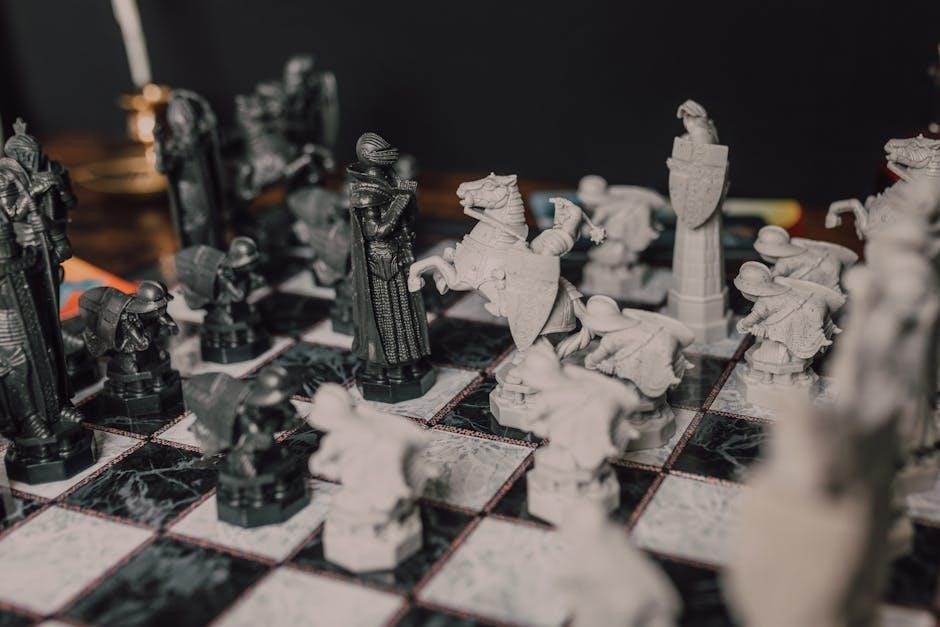
The book meticulously recreates Hogwarts’ iconic spaces with stunning pop-up artistry. From the grandeur of the Great Hall to the secrets hidden within the dungeons, each location is brought to life.
The Great Hall Pop-Up
The Great Hall’s pop-up representation is arguably the book’s centerpiece, a truly breathtaking feat of paper engineering. As the pages open, the Hall dramatically expands, revealing its soaring ceiling, long house tables, and the enchanted, floating candles. Reinhart masterfully captures the Hall’s scale and atmosphere, creating a sense of immersion that transports readers directly into the wizarding world.
Intricate details abound, from the house banners hanging proudly to the meticulously crafted food displayed on the tables. The pop-up isn’t merely a static display; subtle mechanisms allow for interaction, enhancing the experience. The layered construction provides depth, making the Hall feel vast and alive. It’s a testament to Reinhart’s skill that such a complex and beloved location is so faithfully and beautifully recreated in three dimensions. This pop-up truly embodies the magical spirit of Hogwarts.
Gryffindor Common Room Representation

The Gryffindor Common Room pop-up offers a cozy and inviting scene, contrasting beautifully with the grandeur of the Great Hall. Upon opening the page, the familiar circular room unfolds, complete with plush armchairs, a crackling fireplace, and the iconic red and gold décor. Reinhart’s attention to detail is remarkable, capturing the room’s warm and lived-in atmosphere.
Subtle mechanisms allow for interaction, perhaps revealing hidden details within the bookshelves or adjusting the position of the armchairs. The layered construction creates a sense of depth, making the room feel spacious despite its intimate setting. The pop-up successfully evokes the feeling of a safe haven, a place of friendship and belonging for Harry, Ron, and Hermione. It’s a charming and meticulously crafted representation of a beloved location, appealing to fans’ nostalgia and affection for the Gryffindor house.
The Library Wing and its Secrets
Hogwarts’ Library Wing is brought to life with impressive scale and intricate detail in this pop-up. Towering bookshelves, laden with volumes, extend outwards, creating a sense of the library’s vastness and scholarly atmosphere. Reinhart masterfully utilizes layering to convey depth, making the space feel truly immersive. The design cleverly incorporates elements hinting at the library’s hidden secrets.
Pull tabs and moving parts reveal concealed sections, perhaps showcasing restricted books or hidden alcoves. The pop-up isn’t merely a static display; it encourages exploration and discovery. The lighting and color palette evoke the library’s hushed and mysterious ambiance. This representation captures the essence of the library as a repository of knowledge and a place of quiet contemplation, appealing to the inquisitive spirit of any Harry Potter enthusiast. It’s a testament to the book’s interactive and engaging design.
Dungeons and Chamber of Secrets Pop-Ups
The Dungeons and Chamber of Secrets receive particularly dramatic treatment within the pop-up book. These sections emphasize the darker, more perilous aspects of Hogwarts. The Chamber of Secrets pop-up is a multi-layered spectacle, featuring a towering statue of Salazar Slytherin and a realistically rendered Basilisk, poised to strike. The engineering is complex, creating a genuinely imposing and frightening scene.
Intricate paper engineering simulates the claustrophobic atmosphere of the dungeons, with winding corridors and hidden chambers unfolding before the reader’s eyes. Pull-tabs activate elements, perhaps revealing lurking creatures or secret passages. The color scheme shifts to darker tones, enhancing the sense of dread and mystery. These pop-ups aren’t just visually impressive; they effectively convey the tension and danger inherent in these iconic locations, offering a thrilling experience for fans.

Key Characters and Creatures Featured
The book beautifully depicts Harry, Ron, and Hermione in dynamic pop-up scenes. Iconic creatures like dragons and Hippogriffs are also featured, alongside Professor Dumbledore and other Hogwarts faculty.
Harry, Ron, and Hermione in Pop-Up Form
The central trio – Harry, Ron, and Hermione – are brought to life with remarkable detail within the pop-up spreads. These aren’t simply static representations; the paper engineering captures their personalities and key moments from the series. Harry often appears mid-spellcasting, his wand extended, showcasing the dynamic energy of the Boy Who Lived. Ron’s pop-up often includes elements referencing his love for food or his slightly clumsy nature, adding a touch of humor.
Hermione is frequently depicted with a book in hand, emphasizing her intelligence and studiousness. The pop-ups cleverly utilize layers and perspective to create a sense of depth, making the characters feel as though they are stepping out of the pages. The artistry extends to their clothing and facial expressions, instantly recognizable to any fan. These pop-up representations aren’t just visually stunning; they serve as miniature dioramas, encapsulating the essence of each character’s role within the wizarding world.
Iconic Creatures: Dragons and Hippogriffs
The book truly shines when showcasing the magical creatures of the Harry Potter universe, with dragons and Hippogriffs receiving particularly impressive treatment. The dragon pop-ups are breathtaking in their scale and detail, featuring articulated wings that extend dramatically from the page. Hungarian Horntails and other breeds are rendered with textured paper to mimic scales, and fiery effects are cleverly incorporated using translucent materials.
Buckbeak the Hippogriff is equally captivating, with a pop-up design that emphasizes his majestic wingspan and proud posture. The engineering allows for a sense of movement, as if he’s about to take flight. These aren’t static images; they’re dynamic sculptures. The creatures’ pop-ups aren’t just about visual spectacle; they also hint at the challenges and wonder associated with interacting with these beasts, capturing the spirit of the books and films.
Professor Dumbledore and Other Faculty
The pop-up book doesn’t solely focus on locations and beasts; it also pays tribute to the beloved Hogwarts faculty. Professor Dumbledore receives a particularly regal representation, with a pop-up that captures his wise and benevolent presence. His iconic robes and long beard are meticulously crafted, and the design often incorporates elements referencing his office, like the Pensieve.
Other professors, though perhaps less prominently featured, are included with thoughtful details. Expect to find subtle nods to Snape’s potions classroom or McGonagall’s transfiguration skills within the pop-up scenes. These character representations aren’t always full figures, but rather clever integrations into the Hogwarts environments. The artistry lies in conveying personality through posture and symbolic objects. These pop-ups serve as miniature character studies, celebrating the individuals who shaped Harry’s journey.

Interactive Elements and Hidden Details
‘Harry Potter: A Pop-Up Guide to Hogwarts’ boasts pull tabs, moving parts, and hidden compartments. These features enhance engagement, revealing Easter eggs and secrets within each scene.
Pull Tabs and Moving Parts
‘Harry Potter: A Pop-Up Guide to Hogwarts’ truly comes alive through its ingenious use of pull tabs and moving parts. These aren’t merely decorative additions; they are integral to experiencing the magic of Hogwarts. Each pull activates a new layer of the pop-up, revealing hidden chambers within the castle or causing characters to interact with their surroundings.
For example, within the Great Hall spread, a strategically placed pull tab might extend the tables, seemingly filling with students. In Gryffindor Common Room, pulling a tab could cause the fireplace to “ignite” with a cleverly designed paper flame. These mechanisms aren’t simple; they demonstrate a remarkable level of paper engineering skill.
The moving parts aren’t limited to single actions. Some elements feature multiple, interconnected movements, creating a dynamic and immersive experience. This level of interactivity elevates the book beyond a static display, transforming it into a miniature, playable Hogwarts. The careful placement and smooth operation of these elements are testaments to the book’s quality and design.
Hidden Compartments and Easter Eggs
‘Harry Potter: A Pop-Up Guide to Hogwarts’ isn’t just about grand displays; it’s brimming with cleverly concealed hidden compartments and delightful Easter eggs for dedicated fans. These aren’t immediately obvious, encouraging repeated exploration and rewarding attentive readers with extra layers of discovery.
Small, almost imperceptible flaps and panels conceal miniature scenes or character portraits. A seemingly solid wall in the Library Wing might open to reveal a secret passage, echoing the mysteries within the books. These hidden areas often contain references to specific moments or details from the Harry Potter series, appealing to a collector’s desire for completeness.
The Easter eggs extend beyond physical compartments. Subtle design choices, like the inclusion of specific books on the Library shelves or the arrangement of objects in a classroom, serve as nods to the source material. These details demonstrate a deep understanding of the wizarding world and enhance the book’s overall appeal, making it a treasure trove for Potter enthusiasts.
The Overall Interactive Experience
‘Harry Potter: A Pop-Up Guide to Hogwarts’ delivers a truly immersive and captivating interactive experience, far beyond simply turning pages. The book isn’t meant to be passively read; it demands engagement, inviting readers to manipulate its intricate mechanisms and uncover its secrets.

The combination of pull tabs, moving parts, and hidden compartments creates a dynamic and tactile journey through Hogwarts. Each pop-up feels like stepping into the wizarding world itself, fostering a sense of wonder and discovery. The book’s design encourages exploration, rewarding curiosity with unexpected reveals and delightful surprises.
This isn’t just a book; it’s a miniature, playable Hogwarts. The interactive elements aren’t merely decorative; they enhance the storytelling, bringing the magic of the series to life in a tangible way. It’s an experience that appeals to all ages, blending artistry, engineering, and the enduring charm of the Harry Potter universe.

Reception and Reviews
‘Harry Potter: A Pop-Up Guide to Hogwarts’ has garnered critical acclaim and boasts a 4.7/5 rating, celebrated for its stunning paper engineering and enchanting details by fans.
Critical Acclaim and Awards
‘Harry Potter: A Pop-Up Guide to Hogwarts’ has been overwhelmingly praised by critics and fans alike, establishing itself as a landmark achievement in paper engineering. Reviewers consistently highlight the book’s breathtaking artistry and the sheer ingenuity of Matthew Reinhart’s designs. The intricate pop-up mechanisms aren’t merely visually impressive; they genuinely capture the magic and wonder of the Wizarding World.
Several publications have lauded the book as a must-have for any Harry Potter enthusiast, regardless of age. The attention to detail, from the meticulously recreated Hogwarts locations to the dynamic character representations, has been a significant point of praise. While specific award recognition as of today’s date (04/13/2026) isn’t widely publicized, industry experts anticipate nominations for several prestigious design and bookbinding awards. The book’s collectibility further enhances its appeal, with many considering it a valuable addition to any library or collection. Its innovative approach to storytelling through paper art has set a new standard in the pop-up book genre.
Fan Reactions and Popularity
‘Harry Potter: A Pop-Up Guide to Hogwarts’ has ignited immense excitement within the Harry Potter fandom, quickly becoming a highly sought-after collectible. Social media platforms are flooded with unboxing videos and enthusiastic reviews, showcasing the book’s stunning pop-up creations. Fans express awe at the intricate details and the immersive experience it provides, transporting them directly into the world of Hogwarts.
The book’s popularity has led to rapid sell-outs at many retailers, driving up demand and resale prices. Online forums and fan communities are buzzing with discussions about favorite pop-up scenes and hidden details. Many collectors view it as more than just a book; it’s a treasured piece of Harry Potter memorabilia. The deluxe nature and high-quality construction contribute to its desirability. As of today (04/13/2026), the book consistently trends on book-related social media, demonstrating its enduring appeal and solidifying its place as a beloved item within the Wizarding World community.
Price and Availability (as of 04/13/2026)
‘Harry Potter: A Pop-Up Guide to Hogwarts’ currently retails for approximately $1951, though prices fluctuate significantly based on vendor and condition. Availability remains limited, with frequent sell-outs reported across major online retailers like Amazon and Barnes & Noble. Specialized collectible bookstores often carry the book, but at a premium.
As of today, April 13, 2026, finding a new copy at the original retail price is challenging. Resale markets, such as eBay and dedicated Harry Potter fan marketplaces, show listings ranging from $2200 to $2800, depending on the seller and the book’s condition. A limited quantity is available through select independent booksellers, often with pre-order options for future restocks. Prospective buyers are advised to check multiple sources and be prepared for potential price increases due to high demand and limited supply.
Be First to Comment