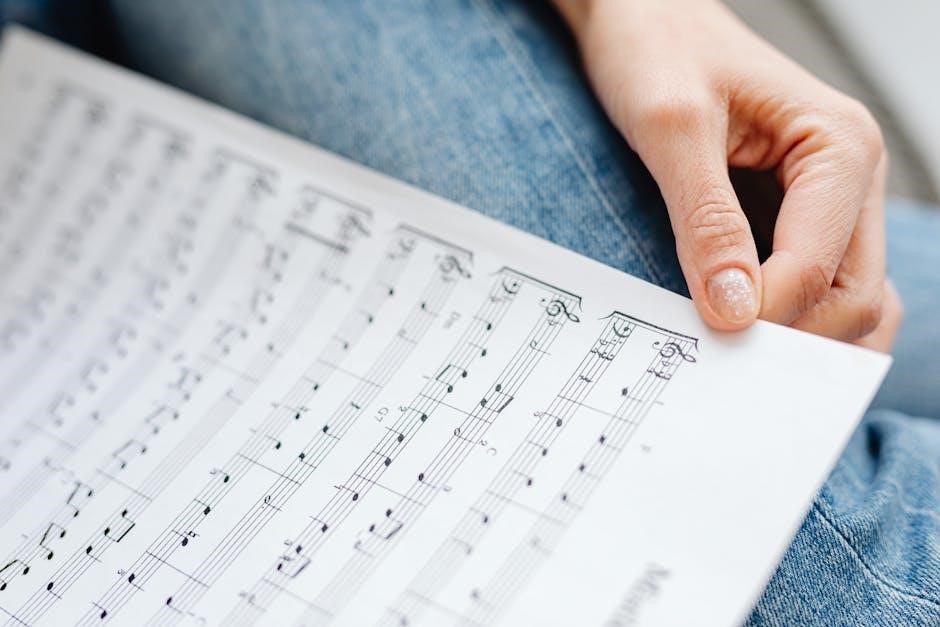
What is the “Real Book” for Bass Clef?
The “Real Book” (Bass Clef) is a collection of lead sheets – melodic lines with chord changes – crucial for jazz musicians․
It provides a standardized repertoire‚ often accessed as a PDF‚ facilitating ensemble performance and improvisation․
History and Origins of the Real Book
The original “Real Book” emerged in the 1970s from students at the Berklee College of Music in Boston․ Faced with limited access to accurate jazz charts‚ they collaboratively transcribed popular tunes‚ creating an essential resource․ Initially‚ it was a handwritten‚ photocopied collection‚ circulating amongst musicians – a somewhat illicit‚ but vital‚ undertaking․
This early version‚ though imperfect‚ addressed a critical need․ As jazz education expanded‚ the demand for reliable sheet music grew․ Later‚ commercially published versions appeared‚ aiming for legality and improved accuracy․ The Real Book evolved through several editions‚ addressing copyright concerns and refining transcriptions․
The emergence of PDF formats revolutionized access․ Musicians could now easily share and print charts‚ and the bass clef edition specifically catered to bass players‚ providing arrangements tailored to their instrument․ This digital accessibility further cemented the Real Book’s place as a cornerstone of jazz learning and performance․
The Significance of the Bass Clef Edition
The Bass Clef edition of the Real Book is specifically tailored for bassists‚ presenting charts optimized for their instrument’s range and role within an ensemble․ Unlike standard treble clef versions‚ it displays chord changes and melodic lines in a format immediately readable for bass players‚ streamlining practice and performance․
This adaptation is crucial for developing effective bass lines and improvisational skills․ Bassists can quickly grasp harmonic structures and melodic contours‚ facilitating creative contributions․ The PDF format enhances accessibility‚ allowing for easy printing‚ annotation‚ and digital storage of charts․
Furthermore‚ the bass clef version aids in transposition and repertoire learning․ Musicians can readily adapt tunes to different keys and expand their musical vocabulary․ The widespread availability of Real Book bass clef PDFs has democratized jazz education‚ providing a standardized resource for bassists of all levels․
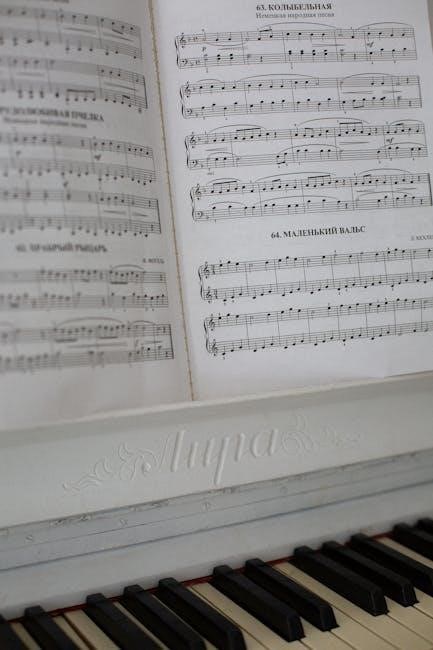
Understanding the Content of the Real Book (Bass Clef)
The Real Book (Bass Clef) PDF contains lead sheets with melodies‚ chord symbols‚ and sometimes lyrics․ It’s a foundational resource for jazz standards and arrangements․
Common Chord Progressions Found Within
The Real Book (Bass Clef) PDF is replete with frequently occurring chord progressions central to jazz harmony․ A cornerstone is the II-V-I progression in various keys‚ forming the basis of countless standards․ You’ll encounter numerous variations of this‚ including minor II-V-I’s and those with altered dominants (V7b9‚ V7#5)․

I-VI-II-V is another prevalent sequence‚ offering a smooth harmonic movement․ Turnarounds‚ often utilizing variations of II-V-I‚ are essential for navigating between sections․ Blues progressions‚ in all their forms (12-bar‚ 8-bar)‚ are also heavily represented․
Players will also find frequent use of minor key progressions‚ often employing borrowed chords from the parallel major․ Understanding these common patterns within the Real Book’s PDF format is crucial for improvisation and harmonic analysis‚ allowing bassists to anticipate changes and build compelling bass lines․
Melodic Characteristics and Styles Represented
The Real Book (Bass Clef) PDF showcases a diverse range of melodic characteristics reflecting various jazz styles․ Bebop melodies‚ found extensively‚ are characterized by fast tempos‚ complex harmonies‚ and intricate phrasing․ These often feature chromaticism and altered tones․
Cool jazz standards present smoother‚ more lyrical melodies with a relaxed feel․ Latin jazz selections incorporate rhythmic patterns and melodic contours influenced by Cuban and Brazilian music․ Ballads demonstrate a focus on expressive phrasing and harmonic richness․
The PDF also includes examples of hard bop‚ showcasing a blend of bebop’s complexity with gospel and blues influences․ Modal jazz pieces‚ while less frequent‚ offer melodies built on scales and modes rather than traditional chord changes․ Analyzing these melodic styles within the Real Book enhances a bassist’s understanding of jazz vocabulary and improvisation․
Key Musical Genres Covered
The Real Book (Bass Clef) PDF primarily focuses on jazz‚ but encompasses a surprisingly broad spectrum of related genres․ Core content centers around various jazz subgenres: Bebop‚ Hard Bop‚ Cool Jazz‚ and Modal Jazz are heavily represented‚ providing a foundation for jazz bass playing․
However‚ the PDF frequently includes standards with strong influences from other styles․ Latin Jazz‚ featuring bossa nova and samba rhythms‚ is prominent․ Blues compositions‚ often serving as the basis for improvisation‚ are also common․
Furthermore‚ many selections demonstrate elements of popular song forms and Broadway show tunes adapted for jazz performance․ Some Real Book editions even include pieces with a funk or R&B influence․ This diverse collection allows bassists to develop versatility and a comprehensive understanding of harmonic and rhythmic concepts across multiple musical landscapes․
Navigating a “Real Book” Bass Clef PDF
Real Book (Bass Clef) PDFs require understanding bass clef notation‚ chord symbols‚ and lead sheet arrangements․ Familiarity with common musical abbreviations is also essential for efficient use․
Reading Chord Symbols in Bass Clef
Chord symbols within a Real Book (Bass Clef) PDF represent the harmonic foundation for improvisation and accompaniment․ These symbols aren’t full compositions‚ but rather instructions for harmonic content․ Understanding them is paramount for bass players․
Common symbols include major chords (e․g․‚ C‚ G7)‚ minor chords (e․g․‚ Am‚ Dm)‚ dominant chords with alterations (e․g․‚ C7b9‚ F#7#5)‚ and diminished chords (e․g․‚ Bdim)․ Slash chords (e․g․‚ G/B) indicate bass note inversions․

Bass clef chord symbols are often presented above the staff‚ providing a quick reference for the harmonic progression․ Players must translate these symbols into playable voicings and bass lines․ Recognizing extensions (9ths‚ 11ths‚ 13ths) and alterations is crucial for capturing the intended harmonic color․ Proficiency in reading these symbols unlocks the full potential of the Real Book for bassists‚ enabling them to navigate complex jazz standards effectively․
Understanding Lead Sheets and Arrangements
A Real Book (Bass Clef) PDF primarily contains lead sheets – concise musical scores presenting the melody and chord changes․ These aren’t fully-fleshed arrangements‚ but rather blueprints for performance․ Bass players utilize lead sheets to construct their own bass lines and harmonic support․
Arrangements‚ if present‚ offer more detailed instructions‚ including specific voicings‚ rhythmic figures‚ and even suggested improvisational approaches․ However‚ the core of the Real Book lies in its simplicity‚ encouraging musicians to contribute their creativity․
Interpreting a lead sheet requires understanding harmonic function and melodic contour․ Bassists must create a compelling bass line that complements the melody and reinforces the chord progression; The PDF format allows for annotations and personalizations‚ enabling players to tailor the music to their individual style and ensemble context․ Recognizing the difference between a basic lead sheet and a more elaborate arrangement is key to effective utilization․
Common Abbreviations and Symbols
Real Book (Bass Clef) PDFs employ numerous abbreviations and symbols to conserve space․ “C” indicates a C major chord‚ while “Cm” denotes C minor․ Seventh chords are often represented as “C7”‚ and extensions like 9ths‚ 11ths‚ and 13ths are added accordingly (e․g․‚ C9‚ C13)․
Symbols like “♭” and “♯” signify flat and sharp alterations‚ respectively․ Slash chords (e․g․‚ C/G) indicate a specific bass note․ Arrows (↑ or ↓) may suggest harmonic movement or voice leading․ “&” often separates beat divisions within a measure․
Understanding these conventions is crucial for accurately interpreting the music․ Familiarity with common jazz chord voicings and harmonic progressions further aids comprehension․ A PDF version doesn’t offer audio cues‚ so decoding these symbols efficiently is paramount for bass players aiming to quickly learn and perform the repertoire․

Finding and Accessing Real Book Bass Clef PDFs
Real Book (Bass Clef) PDFs are available through various online sources‚ ranging from legal retailers to potentially copyright-infringing sites․ Careful consideration of legality is vital․
Legal Considerations and Copyright
The distribution of the “Real Book” has a complex history regarding copyright law․ Originally‚ the “Real Book” was created through unauthorized transcriptions of jazz standards‚ leading to significant copyright concerns․ Early versions were often circulated illegally amongst musicians‚ representing a gray area in copyright enforcement․
Today‚ Hal Leonard Corporation holds the official publishing rights and offers legally authorized versions of the “Real Book‚” including editions specifically for bass clef instruments․ Downloading or sharing unauthorized PDF versions remains a violation of copyright law‚ potentially leading to legal repercussions․
Musicians should prioritize purchasing legitimate copies to support copyright holders and ensure ethical music practice․ While free PDF versions may be tempting‚ they contribute to copyright infringement and undermine the livelihoods of composers and publishers․ Supporting the official publications helps ensure continued availability and quality of this essential resource for bass players․
Reliable Online Sources for PDFs
Finding legitimate Real Book (Bass Clef) PDFs requires careful navigation․ Hal Leonard’s official website (https://www․halleonard․com/) is the most trustworthy source‚ offering authorized digital versions for purchase․ Musicnotes;com (https://www․musicnotes․com/) also provides legally licensed sheet music‚ including selections from the Real Book․
Avoid websites offering “free” PDFs‚ as these are frequently illegal copies and may contain inaccuracies or malware․ Platforms like Amazon and Sheet Music Plus often sell official digital versions‚ ensuring copyright compliance․ Be wary of forums or file-sharing sites claiming to host the complete Real Book; these are almost always infringing on copyright․
Prioritize purchasing from reputable vendors to support musicians and publishers․ Always verify the source’s legitimacy before downloading any PDF to protect yourself from legal issues and ensure the quality of the music․
Free vs․ Paid PDF Versions: What’s the Difference?
Real Book (Bass Clef) PDFs are available in both free and paid formats‚ differing significantly in legality and quality․ Free versions‚ often found on file-sharing sites‚ are typically unauthorized copies violating copyright laws․ These may contain errors‚ omissions‚ or poor transcriptions‚ hindering accurate learning and performance․

Paid versions‚ purchased from authorized sources like Hal Leonard or Musicnotes‚ guarantee legal access and accurate content․ They undergo professional editing and proofreading‚ ensuring reliability․ Paid PDFs often include features like searchable text‚ printable pages‚ and better formatting for readability․
While the initial cost of a paid version is higher‚ it represents an investment in a trustworthy resource․ Supporting copyright protects musicians and encourages the creation of future musical materials․ Choosing a paid PDF ensures a legitimate‚ high-quality learning experience․
Using the Real Book for Bass Players
Real Book (Bass Clef) PDFs empower bassists to learn jazz standards‚ develop walking bass lines‚ and enhance improvisation skills through chord changes․
Developing Bass Lines and Improvisation Skills
Accessing a Real Book for Bass Clef as a PDF unlocks a powerful tool for bass players aiming to refine their skills․ The chord changes presented within allow for focused practice on constructing effective walking bass lines‚ targeting appropriate notes within each chord progression․
Beyond simply playing the root notes‚ the Real Book encourages exploration of arpeggios‚ scales‚ and chromatic approaches‚ fostering a deeper understanding of harmonic movement․ This‚ in turn‚ directly translates to improved improvisation abilities․ By internalizing the chord voicings and progressions‚ bassists can confidently create melodic lines that complement the harmony․
Furthermore‚ studying the arrangements within the PDF reveals how professional bassists approach various standards‚ providing valuable insights into phrasing‚ rhythm‚ and overall musicality․ Consistent practice with the Real Book builds a strong harmonic foundation and expands improvisational vocabulary‚ essential for any aspiring jazz bassist․
Learning Repertoire and Transposition
A Real Book in Bass Clef PDF format serves as an invaluable resource for quickly building a jazz repertoire․ It consolidates hundreds of commonly performed standards‚ providing bassists with a core set of tunes to master․ Having these charts readily available streamlines the learning process‚ allowing for efficient practice and memorization of essential melodies and chord changes․
Crucially‚ the Real Book also facilitates the development of transposition skills․ Bassists frequently need to adapt parts to different keys‚ and the clear presentation of chord symbols in the PDF makes this process significantly easier․ Practicing transposing tunes from the Real Book strengthens harmonic understanding and improves sight-reading abilities․
This skill is vital for ensemble playing‚ where adapting to various vocal ranges or instrumental needs is commonplace․ The Real Book‚ therefore‚ isn’t just a collection of songs; it’s a practical tool for becoming a versatile and adaptable musician․
The Real Book as a Tool for Ensemble Playing
The Real Book‚ particularly in its Bass Clef PDF form‚ becomes an essential common language for jazz ensembles․ It provides a standardized chart format‚ ensuring all musicians – regardless of their primary instrument – are interpreting the same harmonic and melodic information․ This shared understanding minimizes rehearsal time and fosters tighter ensemble cohesion․
Having a PDF readily accessible on tablets or laptops during gigs eliminates the need for cumbersome chart books and allows for quick page turns․ Bassists can easily follow the chord changes while simultaneously focusing on their interplay with the drummer and other soloists․
Furthermore‚ the Real Book encourages improvisation by providing a solid harmonic foundation․ Ensemble members can confidently explore melodic variations‚ knowing they have a reliable roadmap back to the core structure of the tune․ It’s a catalyst for spontaneous musical interaction and collective creativity․
Be First to Comment