
Lakshmi Ashtothram PDF: A Comprehensive Guide
Lakshmi Ashtothram, available as a PDF, details 108 sacred names of Goddess Lakshmi, offering a pathway to wealth and spiritual fulfillment.
The Lakshmi Ashtothram is a revered hymn in Hinduism, dedicated to Goddess Lakshmi, the embodiment of wealth, prosperity, and auspiciousness. This sacred text comprises 108 names, each representing a unique attribute and aspect of the divine goddess.
Often found as a readily accessible PDF document, the Ashtothram serves as a powerful tool for devotees seeking blessings of abundance, success, and spiritual growth. Its recitation is believed to invoke Lakshmi’s grace, removing obstacles and fostering harmony in life.
The PDF format allows for convenient access and study of the names, their meanings, and associated mantras. Devotees can easily download and utilize this resource for daily practice, special occasions, or during Lakshmi Puja. Understanding the significance of each name deepens one’s connection with the goddess and amplifies the benefits of the recitation.
What is Ashtothram?
The term “Ashtothram” originates from Sanskrit, signifying “108 names.” In Hindu tradition, reciting 108 names of a deity is considered highly auspicious and a complete form of worship. This practice is believed to encompass the entirety of the deity’s essence and invoke their full blessings.
A Lakshmi Ashtothram PDF specifically contains these 108 sacred names of Goddess Lakshmi. Each name, or naam, is a descriptor of her divine qualities, powers, and forms.
The recitation isn’t merely a listing of names; it’s a meditative practice. The PDF often includes transliteration, translations, and sometimes even the associated beej mantras for each name, enhancing the devotional experience. It’s a powerful tool for connecting with the divine feminine energy and attracting prosperity into one’s life.
The Significance of 108 Names
The number 108 holds profound spiritual significance in Hinduism, deeply interwoven with cosmology and yogic practices. It’s believed to represent the wholeness of existence and the universe. Many malas (prayer beads) contain 108 beads for this very reason, aiding in focused mantra repetition.
Within the Lakshmi Ashtothram PDF, the 108 names aren’t arbitrary. They represent a complete and comprehensive invocation of the Goddess Lakshmi’s attributes. Reciting all 108 names is considered a powerful practice for attracting wealth, abundance, and auspiciousness.
Each name within the PDF acts as a key, unlocking a specific facet of Lakshmi’s divine energy. The repetition amplifies the positive vibrations, creating a harmonious resonance with the devotee. This practice is believed to remove obstacles and pave the way for prosperity in all aspects of life.
Lakshmi: The Goddess of Wealth and Prosperity
Goddess Lakshmi is revered as the embodiment of wealth, prosperity, love, and beauty in Hinduism. She isn’t merely a deity of material riches, but also of spiritual abundance and good fortune. Her blessings extend to all areas of life, fostering growth and well-being.
The Lakshmi Ashtothram PDF serves as a dedicated offering to this benevolent Goddess. It’s a powerful tool for connecting with her divine energy and invoking her grace. Understanding Lakshmi’s multifaceted nature is key to appreciating the significance of each name within the Ashtothram.
Through consistent recitation of the names detailed in the PDF, devotees seek Lakshmi’s blessings for financial stability, harmonious relationships, and overall success. She represents not just possessions, but also the inner qualities that attract abundance – compassion, generosity, and contentment.

Understanding the Lakshmi Ashtothram
The Lakshmi Ashtothram PDF unveils 108 divine names, rooted in ancient scriptures, offering a profound spiritual practice for invoking Lakshmi’s blessings.
Origin and Scriptural Basis
The Lakshmi Ashtothram, readily accessible as a PDF document, draws its origins from the rich tapestry of Hindu Vedic traditions and Puranic literature. While a definitive single source isn’t pinpointed, the recitation of 108 names (Ashtothram) is deeply embedded within various texts dedicated to Goddess Lakshmi.
Scholars trace its roots to the Sree Maha Lakshmi Ashtottara Sata Naamaavali, a compilation of names found in scriptures like the Skanda Purana and the Lakshmi Tantra. These texts detail the significance of each name, revealing Lakshmi’s multifaceted nature and divine attributes. The practice of reciting these names is believed to have been popularized by sages and devotees throughout centuries, solidifying its place as a powerful spiritual practice.
The PDF versions often include introductory verses (dhyana shlokas) and concluding prayers, further grounding the recitation in established scriptural frameworks. This ensures authenticity and provides a comprehensive guide for devotees seeking to connect with the Goddess of wealth and prosperity.
Benefits of Reciting Lakshmi Ashtothram
Regular recitation of the Lakshmi Ashtothram, conveniently found in PDF format, is believed to bestow numerous benefits upon devotees. Primarily, it invokes the blessings of Goddess Lakshmi, leading to increased prosperity, abundance, and financial stability. Beyond material wealth, the practice cultivates inner peace, contentment, and spiritual growth.
Devotees often experience improved luck, removal of obstacles, and success in their endeavors. Reciting these 108 names is said to purify the mind, enhance positive energy, and foster a harmonious environment. The PDF resource allows for consistent practice, strengthening the devotee’s connection with the divine feminine energy.
Furthermore, it’s believed to protect against negative influences, promote good health, and nurture loving relationships. Consistent chanting, guided by the Lakshmi Ashtothram PDF, is a powerful tool for manifesting desires and achieving overall well-being.
The Structure of the Ashtothram
The Lakshmi Ashtothram, readily accessible as a PDF document, follows a specific structure rooted in ancient Vedic traditions. It comprises 108 sacred names (Ashtothram meaning “108 names”) of Goddess Lakshmi, each representing a unique attribute or aspect of her divine power. These names are meticulously arranged and often accompanied by specific mantras or phrases.
Typically, the PDF will begin with a preliminary invocation and conclude with a concluding prayer or offering. The names themselves are categorized, reflecting themes of beauty, wealth, power, and auspiciousness. Understanding this structure enhances the recitation experience.
Many PDF versions include transliteration, translations, and explanations of each name, aiding comprehension and devotion. The systematic arrangement facilitates focused meditation and allows devotees to connect with the multifaceted nature of Goddess Lakshmi, fostering a deeper spiritual connection.

Lakshmi Ashtothram – Names and Meanings (Selected)
PDF versions of the Lakshmi Ashtothram reveal names like Dhanya Lakshmi, describing the goddess of grains, and Ayio Kali, signifying purity and power.
Names 1-25: Attributes of Beauty and Auspiciousness
The initial twenty-five names within the Lakshmi Ashtothram PDF beautifully portray the goddess’s captivating beauty and inherent auspiciousness. These names, often found detailed in online resources and devotional literature, emphasize Lakshmi’s radiant form and benevolent nature.

Descriptions highlight qualities like ‘Kamini,’ signifying her enchanting allure, and ‘Vaidhika Roopini,’ representing her embodiment of Vedic principles. The PDF often includes Sanskrit transliterations alongside English meanings, aiding in proper pronunciation and understanding. These early names frequently invoke Lakshmi’s power to dispel darkness and bring forth prosperity.

Further exploration within the Lakshmi Ashtothram reveals attributes like ‘Ksheera Samudhbhava,’ denoting her emergence from the ocean of milk, symbolizing purity and abundance. Reciting these names is believed to invoke blessings of grace and positive energy.
Names 26-50: Qualities Related to Wealth and Abundance
Delving into names 26-50 of the Lakshmi Ashtothram PDF, one encounters a powerful focus on qualities directly linked to wealth, prosperity, and abundance. These names, readily accessible through online resources and devotional texts, illuminate Lakshmi’s role as the bestower of material and spiritual riches.
The PDF often details names signifying Lakshmi’s association with grains – ‘Dhanya Lakshmi’ – representing agricultural prosperity. Other names emphasize her power to grant financial stability and success in endeavors. Understanding the Sanskrit origins, often provided in the Lakshmi Ashtothram, enhances the depth of recitation.
These names aren’t merely about material gain; they symbolize the responsible and righteous acquisition of wealth, fostering generosity and well-being. Reciting these names is believed to attract positive financial energies and remove obstacles to prosperity.
Names 51-75: Divine Forms and Powers
The section of names 51-75 within the Lakshmi Ashtothram PDF unveils the diverse divine forms and extraordinary powers of Goddess Lakshmi. These names, frequently found in Sanskrit texts and online resources, showcase her multifaceted nature beyond simply the goddess of wealth.
The PDF often details names referencing Lakshmi’s association with various elements and cosmic energies, highlighting her influence over creation and preservation. Descriptions of her radiant beauty and captivating presence are common, emphasizing her divine allure.
These names reveal Lakshmi’s power to grant not only material prosperity but also spiritual enlightenment and liberation. Reciting these names is believed to invoke her protective energies and bestow blessings of strength, courage, and wisdom. Understanding the nuances within the Lakshmi Ashtothram deepens devotion.
Names 76-108: Blessings and Protection
The concluding names (76-108) within the Lakshmi Ashtothram PDF focus intensely on the blessings and protective energies bestowed by Goddess Lakshmi. These names, readily accessible in downloadable PDF versions and online resources, emphasize her compassionate nature and willingness to safeguard her devotees.
The PDF often details names invoking Lakshmi’s power to remove obstacles, dispel negativity, and grant overall well-being. Many names highlight her role as a protector against misfortune and a source of unwavering support during challenging times.
Reciting these final names is considered particularly potent for seeking divine grace and ensuring a life filled with harmony and prosperity. The Lakshmi Ashtothram, as a whole, culminates in a powerful affirmation of Lakshmi’s boundless blessings and enduring protection for all who seek her guidance.

Accessing and Utilizing Lakshmi Ashtothram Resources
Numerous online platforms and downloadable Lakshmi Ashtothram PDF files provide convenient access to this sacred text for recitation and study.
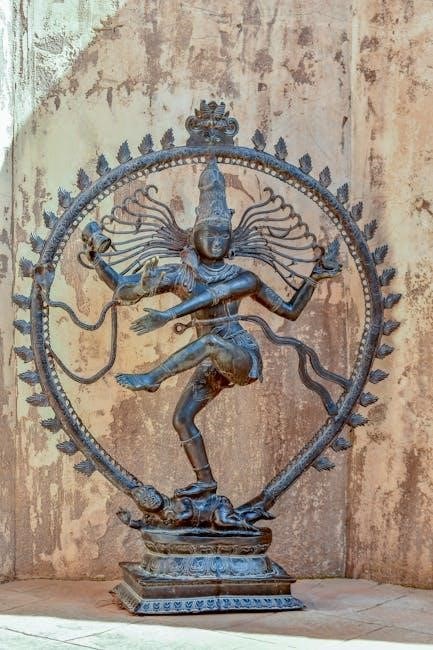
Lakshmi Ashtothram PDF Download
Downloading a Lakshmi Ashtothram PDF offers a convenient way to engage with this powerful spiritual practice. Several websites host these files, allowing devotees to access the 108 names of Goddess Lakshmi easily. These PDF versions often include the Sanskrit names, their transliterations, and English translations, aiding in correct pronunciation and understanding of the meanings.
When searching for a Lakshmi Ashtothram PDF, ensure the source is reputable to guarantee accuracy and authenticity. Many sites offer free downloads, while others may provide more comprehensive versions with additional information, such as detailed explanations of each name’s significance and associated benefits.
Having a digital copy allows for portability and accessibility, enabling recitation during travel or at any convenient time. Consider downloading multiple versions for comparison and to find one that best suits your personal preferences regarding formatting and presentation. Remember to respect the sacred nature of the text and use it with reverence.
Online Resources for Recitation and Learning

Numerous online platforms support learning and reciting the Lakshmi Ashtothram, complementing PDF resources. Vaidika Vignanam provides spiritual literature, including collections of mantras and stotras, potentially featuring the Ashtothram. Websites dedicated to Hindu mantras often offer audio recitations, enabling correct pronunciation and fostering a deeper connection with the divine names.
YouTube channels specializing in devotional music and mantras frequently host Lakshmi Ashtothram recitations, sometimes with accompanying visuals and explanations. These resources are invaluable for beginners or those seeking guidance on proper chanting techniques.
Furthermore, online forums and communities dedicated to Hindu spirituality provide spaces for discussion, clarification of doubts, and sharing experiences related to the Ashtothram. Utilizing these digital tools enhances understanding and facilitates a more meaningful practice, alongside the convenience of a downloadable PDF.

Proper Recitation Techniques
Effective recitation of the Lakshmi Ashtothram, whether using a PDF or other resource, requires mindful preparation and technique. Begin by finding a quiet, clean space conducive to meditation. Ideally, face East or North while reciting. Purification rituals, like washing hands and feet, are recommended.
Pronunciation is crucial; utilize audio resources to learn the correct enunciation of each name. Recite slowly and deliberately, focusing on the meaning of each attribute. Maintaining a consistent rhythm enhances the meditative quality.
Visualization is powerful – imagine Goddess Lakshmi’s radiant form while chanting. Offer each recitation with devotion and sincerity. Completing the 108 names with a final offering, like flowers or incense, concludes the practice. Consistent, mindful recitation amplifies the benefits detailed within the PDF guide.
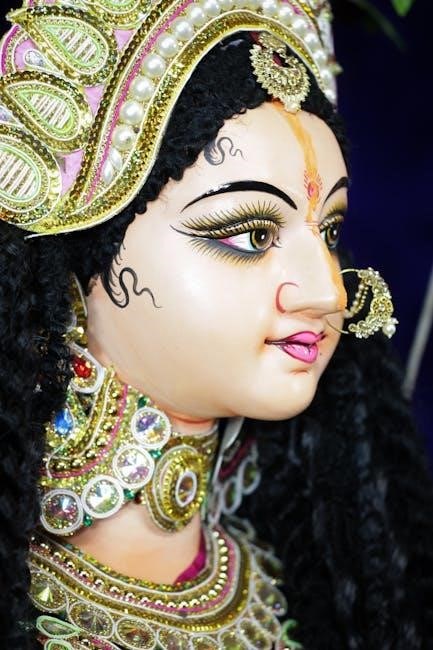
Lakshmi Ashtothram and Daily Practice
Integrating the Lakshmi Ashtothram, often accessed via PDF, into daily rituals fosters prosperity and devotion, enhancing spiritual well-being and positive energy.
Incorporating it into Puja
The Lakshmi Ashtothram, conveniently available as a PDF, beautifully complements Lakshmi Puja, significantly amplifying its potency. During the puja, reciting the 108 names, ideally after establishing the deity’s presence, invokes blessings of wealth, abundance, and auspiciousness.
Many devotees choose to print the PDF and place it near the Lakshmi idol, using it as a guide during the chanting. Offering flowers and incense while reciting each name enhances the devotional atmosphere. The Ashtothram can be recited before, during, or after the main Lakshmi mantras and aartis.
Consider incorporating a specific number of recitations – perhaps 3, 7, or 21 – depending on your time and intention. Regularly integrating this practice into your puja routine cultivates a deeper connection with Goddess Lakshmi and attracts positive energies into your life. The PDF format allows for easy access and portability, making it a valuable tool for daily worship.
Frequency and Timing of Recitation
The Lakshmi Ashtothram, readily accessible as a PDF, can be recited daily, weekly, or during special occasions like Diwali or Fridays – considered particularly auspicious for Lakshmi worship. Daily recitation, even a portion of the 108 names, fosters a consistent connection with the Goddess.
Many devotees prefer reciting it during Brahma Muhurta (the hour before sunrise) for heightened spiritual benefits. Evening recitations, especially before sunset, are also considered favorable. Utilizing the PDF allows for convenient practice anytime, anywhere.
The frequency depends on individual capacity and devotion. A complete recitation takes time, so breaking it into smaller segments is perfectly acceptable. Consistent, heartfelt chanting is more valuable than infrequent, rushed recitations; Download the PDF and integrate this powerful practice into your routine for lasting prosperity and peace.
Be First to Comment